
Antimicrobial Resistance in Poultry: A Global Threat
Antimicrobial resistance (AMR) is one of the biggest challenges facing global public health. Antibiotics in poultry production systems have resulted in the emergence of antibiotic resistant bacteria that can be transmitted to humans through food chain. In recent decades, antibiotic resistant strains of bacteria are considered as an emerging global threat to both animal and human health as infection with those bacteria can result in increasing incidence of treatment failure and severity of disease. Resistance of microorganism to antimicrobial drug is increasing day-by-day worldwide due to indiscriminate use of antibiotic for the treatment of bacterial diseases of poultry.
Antibiotic Resistance and Multi-drug Resistance:
According to the Centers for Disease Control and Prevention (CDC), antibiotic resistance or antimicrobial resistance is the ability of microbes to resist the effects of drugs- that is, the germs are not killed, and their growth is not stopped. According to the Clinical Laboratory Standards Institute (CLSI), a strain of a bacterium is defined as multi-drug resistant (MDR) strain when it is found non-susceptible to at least one agent in three or more antimicrobial different classes of antimicrobial agents.
Development of Antibiotic Resistance:
Some bacteria are naturally resistant to certain types of antibiotics. However, bacteria may also become resistant in two ways: i) by a genetic mutation or ii) by acquiring resistance from another bacterium. Different genetic mutations yield different types of resistance. Some mutations enable the bacteria to produce potent chemicals or enzymes (eg. extended spectrum beta-lactamases-ESBL) that inactivate antibiotics, while other mutations eliminate the cell target that the antibiotic attacks. Bacteria can acquire antibiotic resistance genes from other bacteria in several ways- acquiring resistance genes through conjugation with resistant bacteria; acquiring resistance genes from bacteria through a virus; acquiring naked, “free” DNA directly from their environment. Penicillin was discovered in 1943, but resistance was emerged in 1945.
Development of Resistant Bacteria in Chickens and Transfer in Humans:
In many developing countries including Bangladesh, indiscriminant use of antibiotics is practiced for the treatment of poultry diseases which may develop antibiotic resistant bacteria. Chickens carry bacteria in their gut. Studies have shown that giving antibiotics to chickens kill many bacteria, but resistant bacteria can survive and multiply in the gut. Scientists around the world have provided strong evidence that resistant bacteria in chickens can enter into the human food chains through different ways and thus impose potential threat to human health around the world.
Figure: Transfer of antibiotic resistance in humans: from the farm to the table (Adapted from CDC spotlight image).
Causes of emergence of antimicrobial resistant bacteria in poultry
Factors such as unregulated dispensing and manufacture of antimicrobials, truncated antimicrobial therapy, inadequate access to effective drugs and sometimes drugs of questionable quality and overall poverty are likely to be contributing to antimicrobial resistance. The widespread and inappropriate/irrational use of antibiotic and also continuous use of antibiotics in poultry feeds results in the development of a progressively antibiotic-resistant microbial ecosystem. Especially in developing countries, small and medium poultry farms have minimum biosecurity practices, which increase disease incidences and subsequent continuous use of antibiotics. Apart from therapy and prophylaxis, antibiotics are consumed to increase growth and feed efficiencies in poultry. In many cases, the sales man of the drug shops are prescribing and selling drugs, thus contributing finally to the development of resistance in microorganisms against commonly used antibiotics.
Antimicrobial Resistance in poultry
Containment of Antimicrobial Resistance
To overcome the present situation, it should take the energetic measures to slow down the emergence and spread of antimicrobial resistance, should include programmes on surveillance, education and research on AMR, and regulation of use of antimicrobials in the poultry sector. The efforts should include:
- Research and surveillance on antimicrobial resistance in poultry should be established in collaboration with international organizations.
- Awareness program by public media.
- Antibiotic use guidelines should be developed for each country.
- Antibiotic use in veterinary practices should be regulated and rationalized.
- Education on antibiotic resistance to manufacturers, prescribers, dispensers and consumers through continuing education and other means.
- Vaccines for preventing infectious diseases should be encouraged.
- Value chain based standard practices to be formulated and practiced for poultry originated food products.
- Poultry slaughter and processing system to be strengthened.
- Nutritional status of poultry population and biosecurity should be improved and maintained.
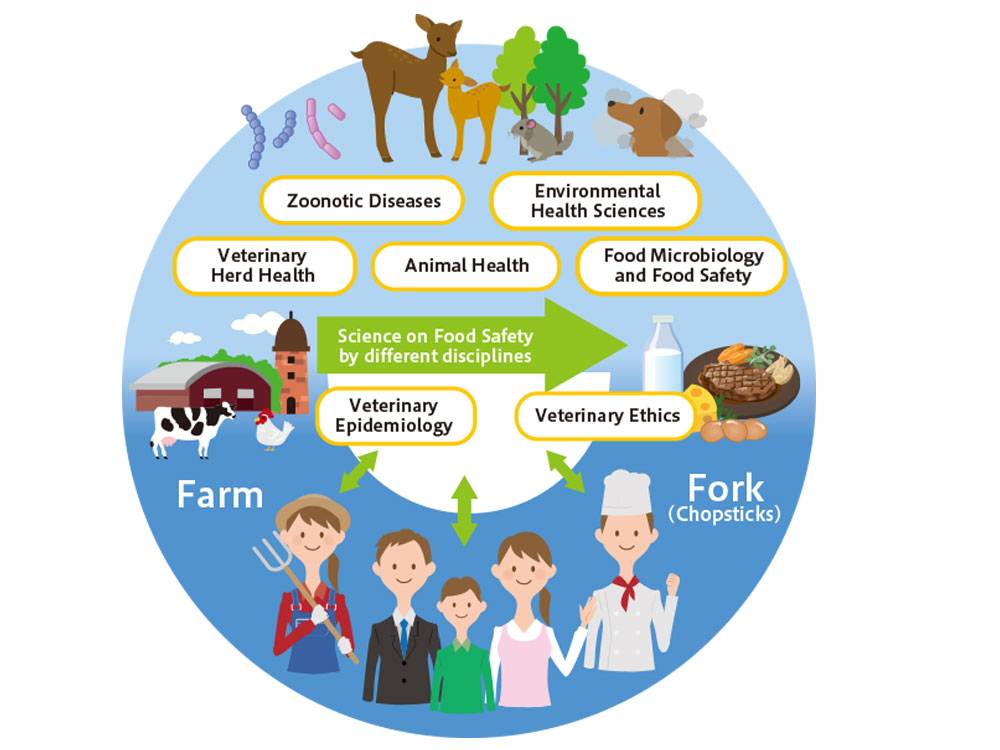
- One health approach considering human, animal and environmental health is required.
Conclusion:
Without any doubt, the introduction and use of antimicrobial agents in veterinary medicine had and still has an enormous impact on the health and welfare of animal species. But indiscriminant use of antibiotics in chickens in developing countries might generate antibiotic resistant bacteria and transfer those resistant bacteria in humans through entering into human food chains. Therefore, strict guidelines for the use of antimicrobials in chickens and other food animals and comprehensive antimicrobial drug administration monitoring systems should be urgently devised and implemented. Also, further research on alternative agents to antibiotics is needed.
Recent Works



Recent Comments